Welcome to the O|Zone Energy & Power Authority
The O|Zone™ Energy & Power Authority is a county-established, independently governed entity redefining how counties think about energy infrastructure.
Instead of building or operating utilities themselves, counties can now partner with world-class energy providers through a private | public framework that delivers clean power, backup resilience, cyber, EMP and kinetic risk mitigation and economic opportunity—all while preserving local interaction.
From modular microgrids to geothermal storage and AI-powered optimization, this model brings future-ready energy to every site and pad, aligned with public priorities and built for long-term value.
Authority Purpose & Scope
O|Zone™ Energy & Power Authority is a county-established governmental infrastructure authority designed to facilitate local energy security, thermal recovery, EMP resilience, and long-term partnership with local, regional, national and international infrastructure providers.
Its core mission is to ensure the deployment and coordination of energy systems across O|Zone non-contiguous pads and sites throughout the county. These locations are not merely users of energy—they are positioned to become self-sustaining nodes in a next-generation distributed grid, enabled by private sector innovation, AI coordination, and modular energy capture technologies.
Each Pod or Site may integrate:
Solar canopy structures, covering areas like parking zones, recreation courts, public pavilions, or picnic grounds—generating electricity without disrupting community aesthetics.
Geothermal loops, microturbine electrical generation, phase-change systems, and flywheel storage, all integrated within Pod infrastructure.
Thermal capture systems, collecting internal and external heat and converting it into either electricity, temperature control, or battery storage.
Advanced AI monitoring, which dynamically adjusts flows, balances localized generation with consumption, and increases system-wide grid stability.
The Authority does not install or operate energy infrastructure directly. Instead, it utilizes a Master Concessionaire–Sub-Concessionaire model:
A Master Concessionaire administers the overall infrastructure program, including coordinating implementation standards and oversight frameworks.
Sub-Concessionaires, including recognized private-sector infrastructure partners, are contracted to design, build, install, and maintain energy systems in accordance with county mandates.
Crucially, the Authority fosters micro-energy Opportunity Sites throughout the county. These are privately developed energy systems operating under the Opportunity Five Roles framework (Land, Facility, Equipment, Inventory, and Operator). Examples include:
A privately developed solar canopy over a tennis court, basketball court, or picnic area that produces energy while enhancing public amenities,
A thermal-electric hybrid system inside a Pod, where waste heat is captured and converted to electricity or stored in molten salt batteries, and
A solar–EV hub adjacent to a rural Pad, feeding both on-site needs and excess energy back into a stabilized grid.
These energy assets are privately owned and operated, often funded through Opportunity structures, yet digitally integrated into the county’s AI-governed energy mesh. As such, each Pod, site, or Opportunity Zone becomes a node in a broader countywide energy grid, capable of: Generating, storing, and redistributing electricity,
Interoperating with public infrastructure via secure easements and approved interconnects, and
Enhancing EMP resilience, minimizing transmission loss, and improving regional load-balancing.
This integrated system of distributed generation, modular design, and AI synchronization transforms each O|Zone™ Opportunity Site into a contributor to countywide grid resilience—while unlocking new financing and operational models for public and private participants alike.
Each O|Zone™ Opportunity is intentionally designed to operate beyond net zero—not merely offsetting its own consumption, but actively generating surplus electricity under standard operating conditions. This excess power may be directed into the countywide grid or used to stabilize energy flow across adjacent Pods and Sites. In addition, each Pod is equipped with on-site backup generation and storage systems capable of sustaining full operational continuity in the event of extended grid disruption. This is essential for Sites supporting medical infrastructure, AI systems, and other mission-critical services, which must remain functional without reliance on external power. Accordingly, every Opportunity Site is expected to include redundant, resilient energy capabilities that not only enhance grid stability—but redefine the concept of autonomous community infrastructure.
Distributed Port Model for Energy Infrastructure
O|Zone™ Energy & Power Authority is architected as a Distributed Port Model, in which energy generation, storage, distribution, and stabilization occur not at a single hub, but at a federated constellation of Sites and Pads distributed throughout the county. This reflects the reality of O|Zone’s land use structure: non-contiguous sites, often activated one at a time, each with unique needs, partners, and innovation opportunities.
Each of these nodes may contain infrastructure directly funded or governed by the Authority, or privately developed through Sub-Concessionaires.
The Authority maintains oversight and orchestration, using a Master Concessionaire governance framework, but does not rely on a single utility-scale deployment. Instead, it enables modular energy port activation in multiple geographies simultaneously.
A key element of this distributed system is the integration with the O|Zone Government Authority’s Digital Land Library, which maps all parcels, pads, and sites in the county.
For energy and power, this integration extends further: overlaying geothermal resource potential—including both naturally occurring geothermal energy and thermal storage zones that can act as heat reservoirs for advanced grid management. In doing so, the Authority helps identify and prioritize geothermal installation opportunities—especially critical for pods requiring off-grid resiliency and uninterrupted power.
To support this model, the Energy & Power Authority oversees development of a Countywide Energy Infrastructure subsection of the Digital Land Library. This AI-enabled, continually updated system:
Maps every transformer, conduit, breaker, switch, arrester, control panel, and energy node in the county,
Assesses age, vulnerabilities, capacity, redundancy, and interdependencies,
Detects and visualizes potential EMP and cyberattack risks, and
Offers interconnection planning between O|Zone sites and non-O|Zone infrastructure.
This system is not limited to new developments. It is purpose-built to bring legacy infrastructure into the planning view, enabling the Authority and its partners to mitigate risks, improve load balancing, and proactively respond to emergencies.
Each node within the distributed port model may include:
Solar canopy systems over community spaces (e.g., parks, tennis courts),
Embedded solar thermal and molten salt storage arrays,
Microturbine-based power production,
Graphene-based electrical and signal distribution,
SMRs (Small Modular Reactors, including with phase change materials) or flywheels,
Waste heat recovery and geothermal loopback systems,
AI-managed battery banks and switching systems.
These features allow the Pods themselves to become dynamic grid participants, not only drawing power, but contributing power, insulating from volatility, and supporting county-wide stability.
Innovation Zones and the O|Zone Innovation Hub Program
Within this distributed network, certain areas may be designated as Innovation Zones. These are strategic locations with enhanced power needs and power contribution potential. Innovation Zones are often linked to Pods focused on high-compute AI, cold storage, medical scanning, research facilities, or smart manufacturing.
To support these high-value nodes, the O|Zone Innovation Hub Program is activated. This program:
Welcomes regional, national, and international institutional investors, along with high-net-worth participants, to co-invest in Innovation Zones,
Utilizes international funding instruments and digital assets as part of the investment stack,
Offers a platform for research, development, and pilot deployment of advanced energy technologies,
Anchors cross-border innovation corridors using the Digital Medallion ecosystem and international Opportunity alignment.
Each Innovation Zone may feature one or more Innovation Hubs focused on energy and power.
These hubs may specialize in:
Graphene production and engineering, including experimental powerline and signal channeling materials,
Nano-structured batteries and flex-grid switching technology,
Thermal-to-electrical phase change systems,
Autonomous AI-managed microgrids, and
Bi-directional energy hubs capable of drawing, storing, and returning power intelligently to the grid.
Innovation Hubs can interoperate with the Distributed Port Model—serving as both intensive nodes and testbeds—and link back to the broader energy library for real-time visibility and adaptive load management.
Beyond-Net-Zero Power Mandate for Innovation Hubs
Each Innovation Hub is expected to meet a beyond-net-zero energy standard, meaning it must generate more power than it consumes under normal operations. These nodes are required to incorporate on-site energy production, thermal capture, and resilient storage systems sufficient to maintain full operational capacity without any external power input for extended periods. This standard is not simply an energy benchmark—it is a critical design requirement due to the sensitive, high-uptime demands of pods supporting medical diagnostics, cold chain AI infrastructure, and continuity-sensitive computing.
Surplus energy and stored power are not wasted. These Innovation Hubs are designed to act as stabilizing agents for the broader county grid, contributing surplus electricity and thermal output during demand spikes or grid disruptions. Backup generation systems—often integrated with molten salt, geothermal reservoirs, or AI-regulated battery clusters—can also be redirected to emergency use for surrounding community needs. The inclusion of high-income private-sector participants ensures sufficient capital investment to support this infrastructure, while aligning incentives with community resilience and decentralized energy sovereignty.
Digital Tariffs, Public Revenues, and Strategic Capitalization
O|Zone™ Energy & Power Authority operates within a dual-funding framework that integrates digital tariff instruments and capital funding strategies to ensure long-term fiscal sustainability and infrastructure development across the county. At its core, this structure combines ongoing public-private revenue participation with tax-exempt financing tools calibrated for local community banks and aligned with evolving federal banking policy.
Digital Tariff Architecture (Medallion-Based System)
Tariff structures in the O|Zone framework are implemented through Digital Medallions—programmable digital instruments that authorize specific services, uses, or revenue activities within geographically defined zones. These medallions carry attributes such as:
Functional Rights: Medallions authorize the use of energy infrastructure or service platforms (e.g., EV charging stations, thermal exchange interfaces, micro-generation nodes).
Location Binding: Each medallion is tied to a specific site, pad, pod, innovation zone, or other defined opportunity footprint.
Capital Recovery Protocols: The medallion carries with it tariff rights which help recoup capital investment by private parties—facilitating amortization over time.
Public Sector Revenue Participation: A portion of revenue generated under each Digital Medallion accrues to the issuing Government Authority, creating a built-in public funding mechanism without taxation.
Integration with Opportunity-Based Infrastructure: The medallions are anchored in the Opportunity Framework’s Five Role structure, capturing revenue from land, infrastructure, equipment, inventory, and operator-based activities.
This model is inspired by the historic taxi medallion structure, where a right to operate is both revenue-generating and tradable. In the O|Zone context, the medallion’s programmability ensures compliance, tariff enforcement, and traceability through Calypso Decisioning machine learning technologies | digital intelligence and CER-based (Controllable Electronic Record) systems.
Integration with the Digital Tariff Authority
All medallion-based tariff rights are integrated through the county-level O|Zone Digital Tariff Authority, which governs issuance, compliance, revocation, and pricing standards. This ensures uniform governance and dispute resolution across multiple pods and operators, while allowing flexibility in zone-specific innovation clusters.
The Digital Tariff Authority operates as a distinct Government Authority within the O|Zone™ Initiative’s multi-authority framework and is authorized to cooperate across counties via Intergovernmental Cooperation Agreements, helping harmonize tariff logic across PAOZs (Port Authority Opportunity Zones).
Strategic Capitalization: Bank-Qualified Bonds and NodeBridge Instruments
Capital formation for the Energy & Power Authority occurs through both traditional municipal finance and next-generation asset-linked programs.
Bank-Qualified Municipal Bonds
The Authority is empowered to issue up to $10 million per year in bank-qualified tax-exempt bonds, a critical threshold under U.S. tax law. These bonds offer:
80% Federal Tax Exclusion for S-Corp Banks: Community banks structured as S-corporations may exclude 80% of the bond’s interest income from taxable income—an incentive which enhances demand for these securities and ties infrastructure financing to local capital.
Access to Tax-Exempt Capital: Counties can deploy these funds toward infrastructure such as local grid stabilization, EMP protection upgrades, thermal conversion facilities, and renewable integration without relying on general tax revenue.
Targeted Impact: Bank-qualified bonds are particularly suitable for “pad-level” investments and distributed grid support systems that reinforce self-sufficient nodes and innovation sites.
NodeBridge Long-Term Instruments
Where deeper capital is required, the NodeBridge™ Ecosystem provides a strategic alternative. Key components include: Directed Portfolio Facilities (DPFs): Purpose-built structures that allow institutional investors and foreign capital to enter long-term, infrastructure-tied portfolios through updated Volcker Rule exemptions.
FlexGIA™ and ParPlus Instruments: Designed to support off–balance sheet capitalization of infrastructure, reducing cost of capital and enhancing yield profile for banks, while also enabling private investors to participate in county-linked infrastructure development.
Custodial Structures and Sub-Accounts: These accounts may be established at local Community Banks and held through the Federal Home Loan Bank (FHLB) system, enabling the banks to serve as bond indenture custodians, depository institutions, fiscal agents, and bond registrars for Energy & Power Authority financings. This structure re-establishes the historical role of community banks as long-term service providers to local government entities. In doing so, it generates recurring service revenue streams and contributes to Tier 1 capital accumulation, reinforcing the financial strength and civic alignment of these institutions.
Holistic System Integration
Together, Digital Medallions and Strategic Capitalization create a non-tax-based revenue flywheel that benefits counties, private operators, and community banks:
County receives tariff-based revenues from each Digital Medallion.
Operators recover capital via amortized, tariff-structured income.
Banks benefit from tax-advantaged holdings and service fee income on structured accounts.
Infrastructure is deployed and modernized without depleting county general revenue funds.
This architecture is intentionally designed to de-risk infrastructure development, democratize access to clean energy innovations, and generate persistent local economic returns.
Powering Our Communities, Together
How the O|Zone™ Energy & Power Authority Brings Clean, Resilient Energy to Life
When we talk about energy in the 21st century, we’re not just talking about keeping the lights on—we’re talking about resilience, sustainability, economic opportunity, and community sovereignty. That’s exactly what the O|Zone™ Energy & Power Authority is built to deliver.
This Authority is part of a larger vision: helping counties deploy intelligent energy systems that support both today’s needs and tomorrow’s innovations—without needing to create or manage utilities themselves.
A Smarter Way to Get Things Done
Public Governance + Private Innovation = Local Benefit
The O|Zone™ Energy & Power Authority uses a model that has proven effective across international ports and infrastructure systems. It ensures counties retain public control through policy, tariffs, and regulatory guardrails, while leveraging private-sector execution and investment to deploy infrastructure at scale and speed.
This model revolves around two core roles:
The Master Concessionaire: Coordinating the Energy Ecosystem
The Master Concessionaire (MC) is appointed to serve as the operational manager for energy infrastructure across all county O|Zone™ sites.
Their job is to:
Coordinate every project at the pad and site level,
Oversee service reliability, digital tariffs, and contract performance,
Manage Sub-Concessionaires and ensure smooth on-the-ground execution,
Interface with the county’s Government Authority and regional infrastructure entities,
Keep everything aligned with local priorities, state and federal standards, and public interest.
They don’t control land or assets—they enable progress, enforce accountability, and ensure systems deliver what they promise.
The Sub-Concessionaire: Delivering the Power and Technology
Working under the MC, the Sub-Concessionaire (SC) is the technical and operational force that builds, installs, and manages energy systems across O|Zone™ pads and sites.
They are national-scale energy specialists with capabilities that include:
Solar + battery microgrids designed specifically for each pad and pod,
Thermal and geothermal storage using advanced materials like molten salt and nano-graphene exchangers,
AI-driven energy optimization with real-time performance diagnostics,
Smart metering and load balancing that integrate with county tariff structures,
Cyber and EMP resilience to ensure continuity even in high-risk scenarios,
And Energy-as-a-Service models, which bring long-term capital to counties with zero debt.
They also manage backup power assets—many of which are capable of powering entire sites independently, and even feeding excess power back into the local grid to help stabilize peak loads or provide emergency support.
Powering Sites, Pods, and Progress
O|Zone™ doesn’t treat energy as a one-size-fits-all service. Each site and pad—whether it’s a ScanPort™ health pod, a GreenBox™ energy hub, or a rural AgriCommunity node—has its own unique power profile.
The Sub-Concessionaire configures systems accordingly, enabling:
Reliable energy delivery customized to mission-critical equipment,
Continuous power during outages through modular backup systems,
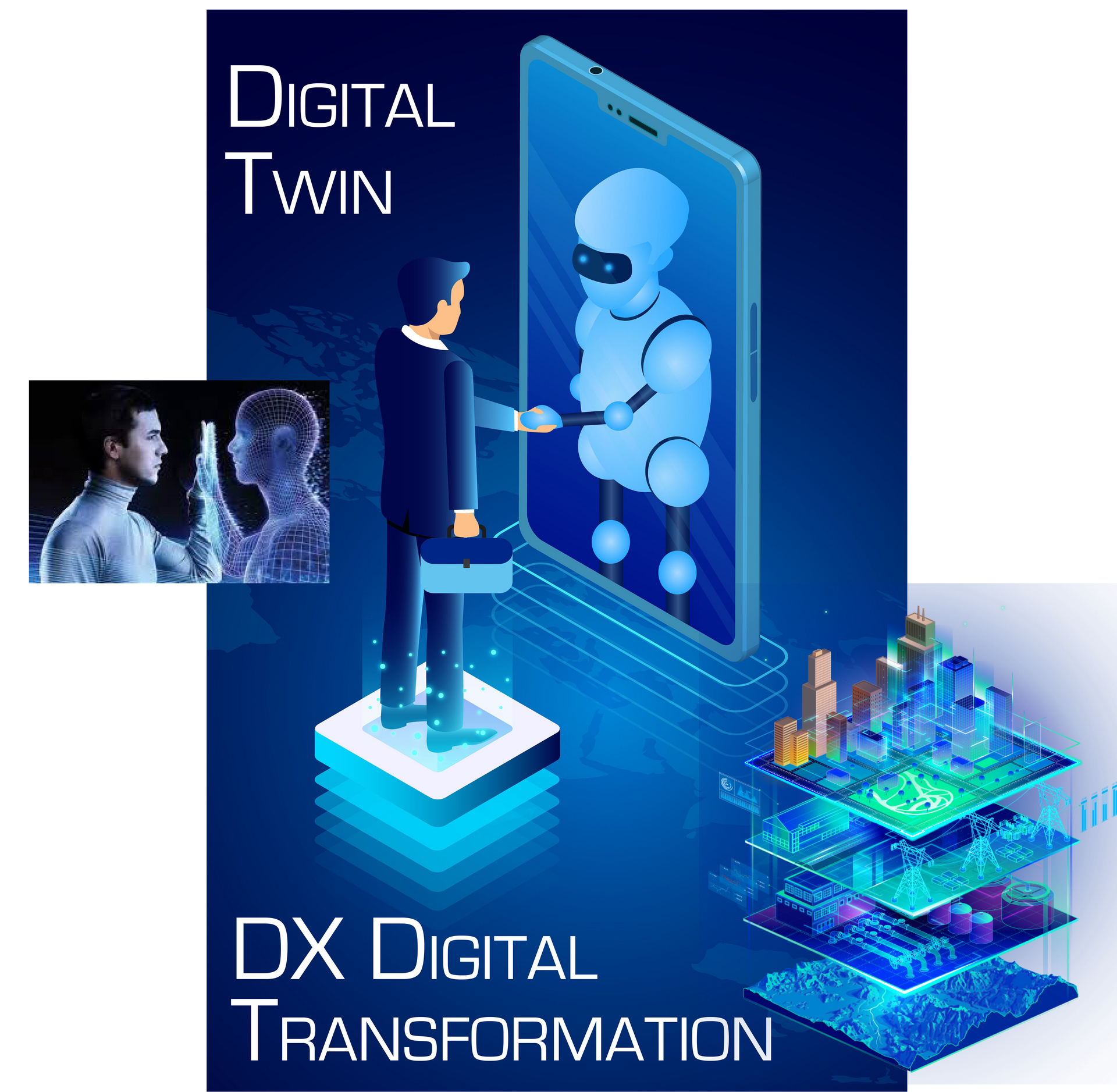
Full integration with real-time monitoring and digital twins,
And dynamic load management that supports grid stabilization across the county.
These energy systems are designed to not just serve the individual site—but to strengthen the surrounding community as well.
Innovation at the Edge
Beyond just delivering power, many O|Zone™ Opportunities are designed to support local innovation.
That includes:
Innovation Hubs and energy development labs that pilot and refine emerging technologies on-site,
Real-world deployment of next-generation infrastructure—including advanced storage, alternative fuels, and AI-guided systems,
And local opportunities for workforce training, apprenticeships, and entrepreneurial development around energy innovation.
This makes each pad not just a user of clean energy, but a contributor to what’s coming next in the clean energy economy.
Inside the System: More Than Just Solar
Here’s a closer look at what powers this county-scale transformation:
GreenBox™ containers serve as plug-and-play energy modules, generating, storing, and recirculating electricity and thermal energy,
Geothermal wells and phase change batteries smooth out fluctuations and store heat for use during high-demand periods,
AI-powered energy platforms optimize flows, monitor usage, and forecast loads at both the site and systemwide level,
Smart metering and tariff synchronization ensure clear billing, usage transparency, and stakeholder accountability.
All of this infrastructure is digitally linked and recorded in the Digital Land Library, ensuring real-time awareness and long-term planning insights.
Built to Scale, Pad by Pad
The O|Zone™ Initiative operates on a distributed pad|site framework, where each facility functions as a modular unit of economic activity, energy generation, and resilience.
Whether urban or rural, large or small, each pad is an energy node, connected through:
Port Authority Opportunity Zones (PAOZs),
Intergovernmental Cooperation Agreements (IGCAs),
And a national framework for county collaboration under the O|Zone™ umbrella.
This modularity allows for scaling innovation across counties, creating regional benefits while maintaining local control.
Enabling Revenue and Expanding Budgets
At its core, the O|Zone™ Energy & Power Authority is not just about infrastructure—it’s about funding, risk management, and unlocking new revenue.
By combining:
Bond-backed public authority capabilities,
Private–public investment models,
Revenue-generating digital tariffs, and
Advanced energy trading mechanisms (including digital kWh/Btu),
…the O|Zone™ structure helps counties expand their fiscal capacity without raising taxes or owning utilities.
That means more resources to fund:
Emergency services,
Schools and recreational facilities,
Roads, water, and healthcare access.
It’s infrastructure that pays back—not just in energy, but in opportunity.
Why This Model Works
This framework is built for execution:
The Energy & Power Authority ensures public interest is protected.
The Master Concessionaire keeps everything aligned, funded, and moving forward.
The Sub-Concessionaire deploys real infrastructure using world-class technology and local partnerships.
The pad|site model ensures every community gets what it needs—on its terms, and at its own pace.
It’s distributed, smart, resilient, and economically regenerative—designed to deliver not only energy, but freedom, flexibility, and long-term local strength.
The O|Zone Energy & Power Authority governs the physical energy footprint of a county's Opportunity Sites- from solar installations and energy storage to EV charging pods. But it's the O|Zone Digital Tariff Authority that captures the economic value flowing from these assets. Every kilowatt-hour and Btu sold through the infrastructure carries a tariff, and each tariff can produce revenue and appreciated value.
As counties look toward energy independence, fiscal sustainability, and smart infrastructure, the O|Zone Energy & Power Authority offers a path forward. This isn’t just a utility model—it’s a revenue-enabling, innovation-friendly, resilience-focused system that turns every O|Zone™ site into a local energy asset. By aligning trusted governance with modern technology and capital, counties can strengthen their grids, support their communities, and fund the next generation of local services—with no debt, no delay, and no compromise.
Additional appendices and implementation guides available upon request